Vinyl Record Care: How to Properly Store, Clean, and Maintain Your Collection

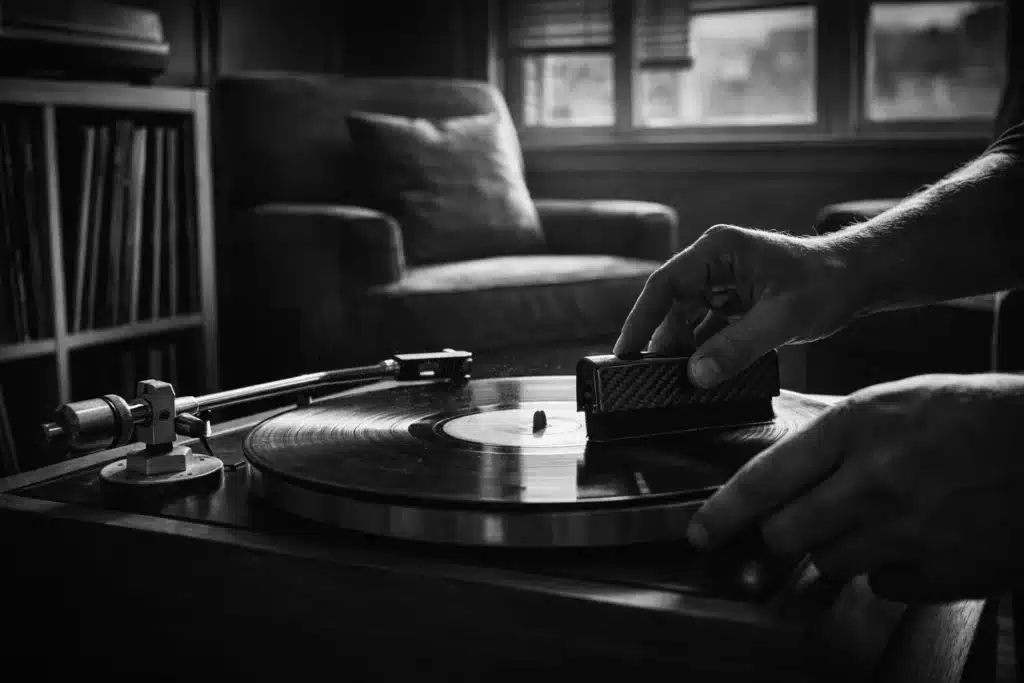
vinyl record care using a carbon fiber brush to clean a record on a turntable

Vinyl record care is the key to ensuring your albums last longest, requiring them to be kept clean, handled gently, and stored vertically in a cool, dry, dark space away from heat and sunlight. Consistent cleaning, proper sleeves, and a good turntable setup will dramatically cut surface noise and wear so your collection sounds great for decades.

Vinyl is more than just a music format; it is a ritual. The tactile experience of sliding a record from its sleeve, the drop of the needle, and the warmth of the analog sound are unmatched by digital files. But unlike a streaming playlist, a record collection requires a partnership between the listener and the physical object.

Why Vinyl Record Care Matters

Vinyl is a physical medium, which means it is reactive to its surroundings. Heat, pressure, dust, and moisture are not just annoyances—they are active threats that can warp records, scratch grooves, and encourage mold growth.

If you treat your records like indestructible coasters, they will eventually sound like frying bacon. Good care preserves both sound quality and artwork value, which is especially important for rare or collectible pressings. A well-maintained record from 1965 can sound just as dynamic today as it did the day it was pressed, but only if it has been protected from the elements.

To keep your collection sounding pristine, you must master the three pillars of preservation: Handling, Cleaning, and Storage.

Part I: The Golden Rules of Handling

Most damage occurs before the needle even hits the groove. How you touch your records dictates their longevity.

1. The “Edge-and-Label” Grip

The oils on your fingertips are the enemy. They attract dust, promote mold growth, and degrade the vinyl surface.

  • The rule: Never touch the grooved surface.
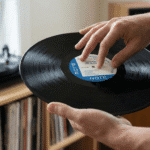
  • The technique: Handle records by the edges and the labeled center only.
  • Clean hands: Keep your hands clean and dry before flipping through your collection.

2. The Drop

Avoid manually dropping the needle with your hand unless you have the steady hands of a surgeon.

  • Use the cue lever: Almost all modern turntables have a cueing lever. Use it to gently lower the stylus. This prevents the “needle drop” scratch that can ruin the opening bars of a track.

3. Immediate Return

Never leave a record on the platter when you are done listening—it acts as a dust magnet. As soon as the side finishes, return it to its sleeve immediately.

Part II: The Science of Cleaning and Surface Noise Reduction

There are two types of cleaning: the Dry Clean (daily maintenance) and the Wet Clean (deep restoration).

The Daily Ritual: Dry Brushing

Before every spin, you must remove surface dust. If you do not, the stylus will grind that debris into the groove walls like sandpaper, causing permanent pops and surface noise.

  • The tool: A carbon fiber record brush.
  • The method: Gently sweep dust along the grooves (not across them) to lift it off the surface. Do not apply heavy pressure.

The Deep Clean: Wet Washing

New records often come with mold-release agents (chemical residue from the pressing plant), and used records can carry decades of grime. You need to wet-wash them periodically.

  • Watch the label: Keep cleaning fluid off the center label to avoid damage and devaluation.
  • Distilled water only: Never use tap water; it contains minerals that dry in the grooves and create noise.

The Methods:

  • Hand wash: Cost-effective; requires care to avoid wetting the label.
  • Record Cleaning Machine (RCM): Sucks dirty fluid off the record using a vacuum; very effective.
  • Ultrasonic: The archival standard; uses microscopic bubbles to clean deep in the grooves.

Part III: Storage and Preventing Warped Vinyl Records

Physics is the biggest threat to a vinyl collection. Improper storage causes warping, which can make a record unplayable.

1. Verticality Is Law

Never lay records flat. Stacking records creates immense pressure on the discs at the bottom. Over time, this causes ring wear on the jacket and warps the vinyl.

  • The fix: Store records upright, like books on a shelf.
  • Do not overpack: Ensure discs remain vertical without leaning at sharp angles, but leave enough room to slide them in and out easily.

2. The Ideal Climate

Vinyl is PVC (plastic). It melts, softens, and deforms with heat, so you need a cool, stable climate to prevent warped vinyl records.

  • Temperature: Aim for roughly 65–70°F and avoid big daily swings.
  • Humidity: Aim for roughly 40–50%; high humidity promotes mold growth inside the jacket.
  • Placement: Keep shelves away from radiators, heaters, exterior walls that get very hot or cold, and direct sunlight (UV rays fade covers and warp vinyl rapidly).

3. Sleeve Hygiene with Anti-Static Inner Sleeves

The paper sleeve your record came in may be destroying it.

  • Inner sleeves: Throw away standard plain paper sleeves when they are dusty or rough; they shed fibers and can scuff records. Replace them with anti-static inner sleeves (like poly-lined or rice-paper).
  • Outer sleeves: Use a 3-mil polyethylene outer sleeve over the jacket to protect the album artwork from shelf wear, scuffs, and dust infiltration.

Part IV: Equipment Maintenance and Stylus Tracking Force

You cannot preserve your records if your equipment is damaging them. A dirty or worn stylus acts like a chisel.

Cleaning the Stylus

As the needle runs through the groove, it scrapes up gunk. This buildup hardens on the diamond tip.

  • The tool: Use a dedicated stylus brush or gel cleaner.
  • The direction: Always brush the stylus from back to front (pulling toward you). Never brush side to side, or you risk snapping the cantilever.

Cartridge Alignment & Stylus Tracking Force

A misaligned or heavily worn stylus can permanently damage grooves.

  • Stylus tracking force: Ensure the weight of the needle is set to the manufacturer’s specification. Too heavy gouges the record; too light causes the needle to mistrack and damage groove walls.
  • Replacement: Replace the stylus on the schedule recommended by the manufacturer (commonly in the 1,000–2,000 playing-hour range).

Part V: Long-Term Preservation Habits

Consistency is key. A little attention now prevents major restoration headaches later.

  • Inspect: Periodically inspect stored records for signs of warping, mold, or sleeve damage.
  • Catalog: Maintain a simple catalog of valuable titles so you can track condition over time and prioritize care or restoration where it matters most.

Share

Facebook
Twitter
LinkedIn

Search...

Recent Products

Recent Posts

Newsletter Signup

Sign up for exclusive offers, original stories, events, and more.