
Blog
Miles Davis – Milestones: The LP That Changed Jazz Forever

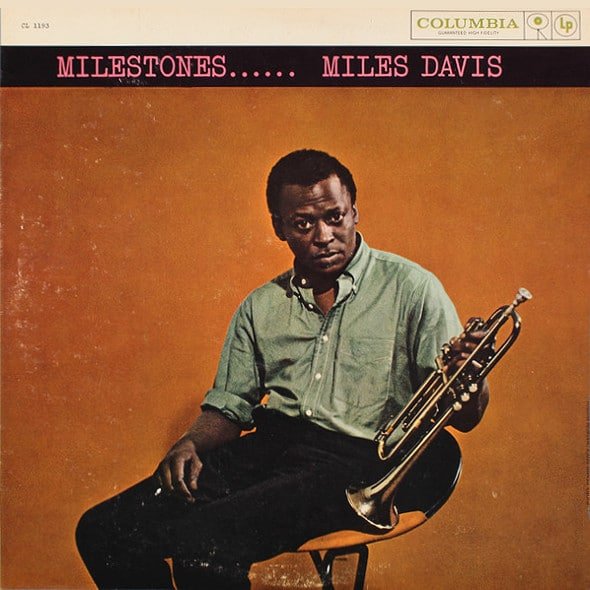
Miles Davis – Milestones is a 1958 masterpiece that has shaped the sound of modern jazz for generations. If you’ve ever been captivated by a trumpet’s moan or the smooth swing of a jazz rhythm section, you’ve likely already felt its influence. Originally pressed on mono and stereo LP—and later reissued on 180g audiophile vinyl—this iconic album remains a cornerstone for both jazz fans and vinyl collectors. But what exactly makes Milestones such a milestone—pun intended—in music history? Let’s dive in.
What Makes Milestones a True Milestone in Jazz?
Released in 1958 by Columbia Records, Milestones marked a transitional moment in Miles Davis’ career. This studio album laid the groundwork for the modalism that would soon culminate in Kind of Blue, redefining modern jazz structure. From bebop foundations to modal explorations, the album is a sonic journey featuring the original sextet, a who’s who of jazz legends.
The title track, “Milestones,” captures a pivotal turn away from bebop complexity toward modal simplicity, allowing soloists to breathe and explore.
What’s So Special About the LP and Its Mono Version?
The original Milestones LP was released in both monaural and stereophonic sound formats. While the mono version is prized for its centered fidelity and punchy rhythm, the stereo offers a broader soundstage. Both formats spin at 33rpm, and collectors debate endlessly about which sounds better on vintage phonograph records.
Pressings like the Columbia 6-eye mono are cherished for their sonic purity, with the mono mix often delivering a more cohesive rhythm section and tighter bass lines.
How Do Vinyl Reissues Compare to the Original Press?
There have been multiple reissues and represses of Milestones, including deluxe editions from Mobile Fidelity Sound Lab (MoFi) and RTI pressed on 180g gram vinyl. These audiophile vinyl versions offer superior clarity and dynamic range while preserving the lacquer characteristics of the original.
Whether you’re hunting the first press on Discogs or spinning a recent vinyl reissue, the magic is still intact.
Who Played on Milestones? Meet the Original Sextet
The original sextet lineup includes:
-
- Miles Davis – trumpet
-
- John Coltrane – tenor saxophone
-
- Cannonball Adderley – alto saxophone
-
- Red Garland – piano
-
- Paul Chambers – bass
-
- Philly Joe Jones – drums
Their chemistry is palpable on tracks like “Sid’s Ahead” and “Billy Boy,” the latter being a piano trio without horns that lets Red Garland shine.
 What Tracks Are on the Milestones Album?
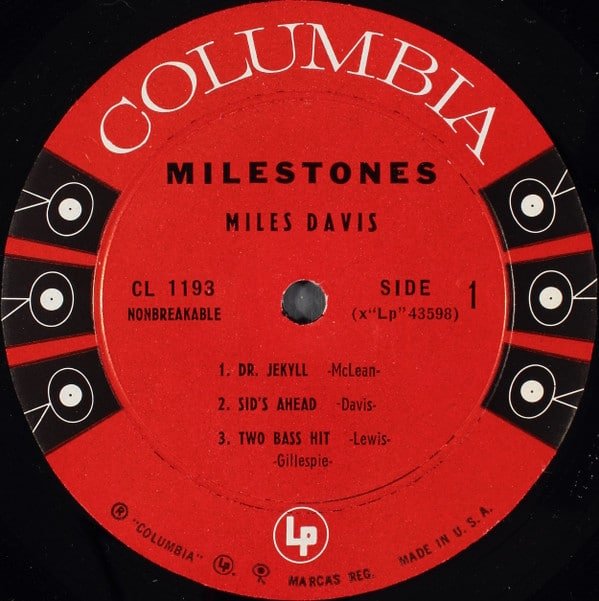
The tracklist includes:
-
- Dr. Jackle
-
- Sid’s Ahead
-
- Two Bass Hit
-
- Milestones
-
- Billy Boy
-
- Straight, No Chaser
“Two Bass Hit” brings bebop fire, while “Straight, No Chaser” lays the groundwork for the modalism that immediately followed. Each bit of this album feels like a masterclass in rhythm and melodic exploration.
How Did Milestones Influence Modern Jazz?
By loosening the harmonic constraints of bebop, Davis encouraged more freedom in improvisation. His exploration of modal playing not only transformed his own music but also reshaped the future of jazz. This album is often considered part of the core collection of great modern jazz albums.
Even the Penguin Guide to Jazz selected Milestones as a must-have, noting it as part of the complete Columbia legacy.
 What’s the Difference Between Milestones and Kind of Blue?
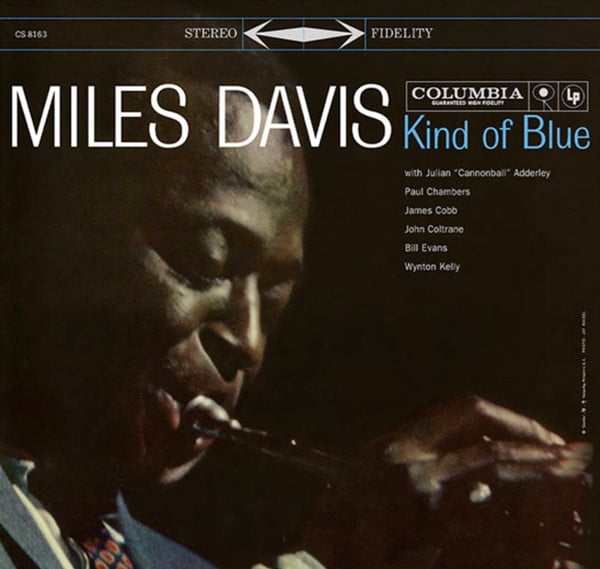
While both are modal milestones, Kind of Blue takes the concept further. Milestones was the chaser—the test run, the blueprint. The rhythm section, still steeped in blues and bebop, hadn’t fully abandoned old forms but was already reaching for something new.
Davis at this point, was evolving rapidly, experimenting with modalism, and preparing to leave round about midnight far behind.
How to Identify a Quality Pressing of Milestones
Collectors look for:
-
- The Columbia 6-eye mono (original pressing)
-
- MoFi’s 180g audiophile reissue
-
- 33rpm pressings from RTI
-
- Minimal wear on sleeve
-
- Mastered from the original source or lacquer
Look for listings on Discogs with full recording notes and catalog numbers to ensure authenticity.
What’s the Best Way to Listen to Milestones Today?
If you can, grab a mono version on a clean LP record. Play it on a well-balanced phonograph system with a dedicated stereo/mono switch. If digital is your go-to, the SACDs and high-resolution streaming versions also do justice to the fidelity.
But nothing beats the warmth of analog vinyl, especially on an evening with low light and high expectations.
Final Thoughts: Why Milestones Still Matter
Miles Davis – Milestones is more than just a jazz album—it’s a moment of transition, a pulse in time that still echoes across genres and generations. Whether you’re a seasoned audiophile, jazz student, or curious newcomer, this LP deserves a place in your rotation.
Key Takeaways
-
- Milestones was recorded in 1958 and features the iconic original sextet.
-
- It laid the groundwork for the modalism that defined Kind of Blue.
-
- Available in both mono and stereo, the mono version is prized for tighter fidelity.
-
- Vinyl reissues from MoFi, RTI, and Columbia continue to preserve its legacy.
-
- Tracks like “Two Bass Hit” and “Sid’s Ahead” highlight the group’s synergy and rhythm section mastery.
Frequently Asked Questions (FAQs)
1. What genre is Milestones by Miles Davis?
Milestones is primarily a jazz album, with strong influences from bebop and modal jazz, showcasing transitional styles in Davis’ work.
2. Is Milestones better in mono or stereo?
Purists generally prefer the mono version for its cohesive mix and focused fidelity, while the stereo offers wider imaging.
3. Where can I buy Milestones on vinyl?
Check Discogs, record stores, or specialized reissue labels like MoFi or RTI. Always verify the pressing and sleeve condition.
4. Who played with Miles Davis on Milestones?
The original sextet includes John Coltrane, Cannonball Adderley, Red Garland, Paul Chambers, and Philly Joe Jones.
5. What makes Milestones a milestone in jazz?
Its shift from bebop to modalism paved the way for Kind of Blue and influenced countless musicians in modern jazz history.