
Blog
Madonna Erotica Album Turns 33 – Why This Important Album Still Matters

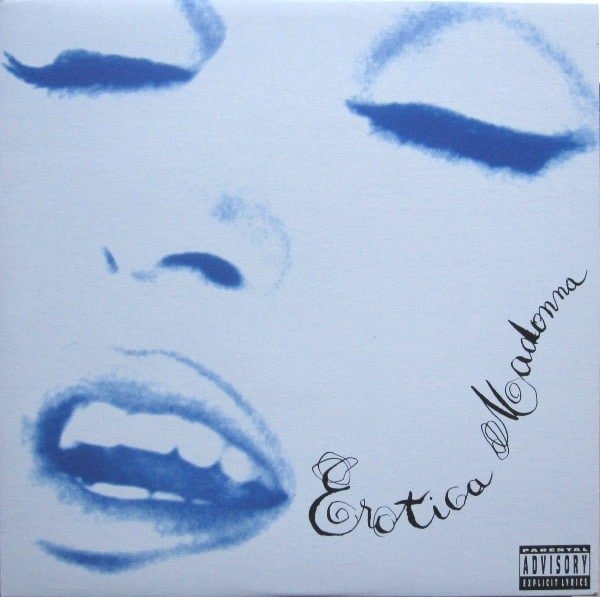
Released on October 20, 1992, Erotica was Madonna’s fifth studio album, marking a turning point in pop culture. The album pushed boundaries, courted controversy, and revealed the Queen of Pop’s most provocative persona yet: Mistress Dita. Three decades later, Erotica is widely regarded as an essential album, reclaiming its legacy as more than just shock value—it’s a layered, deeply personal, and musically bold work that has influenced artists from Janet Jackson to Beyoncé.
This article delves into the complete story behind the Madonna – Erotica album, examining its standout tracks, hidden meanings, collaborations with artists like Shep Pettibone and André Betts, and its enduring relevance in today’s music scene. Whether you’re revisiting the album or discovering it anew, this retrospective reveals why it deserves a second look.
What Made Madonna’s Erotica Album So Controversial?
When Madonna released Erotica, she didn’t just drop an album—she launched a full-frontal assault on pop music norms. Paired with her Sex book and the risqué persona of Mistress Dita, Erotica tested how far an artist could go in talking about sex and female agency in the early ’90s. The album’s themes of sex and romance, BDSM, and emotional detachment landed it a Parental Advisory label, especially on CDs—a first for a Madonna album.
Backed by Sire Records and Warner Music, the album’s rollout during the height of the AIDS crisis raised eyebrows. Many critics misunderstood her boldness as provocation for its own sake, but Erotica was far more than shock—it was a concept album of layered storytelling and emotional nuance. From the seductive “Erotica” title track to reflective ballads, Madonna pushed pop forward, even if the world wasn’t ready.
How Did “Deeper and Deeper” Become a Dance Floor Classic?
“Deeper and Deeper” stands out as one of Erotica‘s brilliant songs, blending disco grooves with new jack swing and flamenco guitar—a nod to Madonna’s genre-hopping mastery. Produced by Shep Pettibone, this track became a top 20 of the Hot 100 hit and is now considered one of her best singles. The lyrics talk about falling deeper into desire and identity, both personal and performative.
Its success on the dance floor reinforced Madonna’s status as the Queen of Club Pop. “Deeper and Deeper” also echoed the sonic vibes of her earlier hit “Vogue,” but added more introspection. Whether fans were aware of it or not, this wasn’t just a bop—it was a layered commentary on queer culture and self-discovery.
Why Was “Bad Girl” One of Madonna’s Best Ballads?
“Bad Girl” reveals Madonna at her most emotionally raw. Co-written with Shep Pettibone, this ballad about loneliness, regret, and late-night self-sabotage offered a stark contrast to the sexual boldness of the rest of Erotica. It’s arguably the spiritual sequel to “Live to Tell,” but darker, more fragile.
While it didn’t dominate the Billboard Hot 100, it struck a deep chord with fans and critics alike. The lyrics discuss vulnerability in a way that Madonna had only previously hinted at. In hindsight, “Bad Girl” revealed that Erotica was more than its Parental Advisory label—it was an album about genuine emotional complexity.
What Is the Meaning Behind “Bye Bye Baby”?
“Bye Bye Baby” is one of the more confrontational tracks on the Madonna – Erotica album. It employs spoken-word verses and bold vocal effects to portray a woman asserting her dominance in a failing relationship. The track is seen as part of Madonna’s feminist rebuke to male control—it’s sharp, irreverent, and undeniably catchy. The lyrics subvert traditional gender roles, emphasizing her position on the receiving end for the ladies and giving equal time to matters of desire.
On stage during The Girlie Show, Madonna performed this song in a tuxedo, surrounded by female dancers, further emphasizing its power play message. It was a bold, theatrical moment in an already boundary-pushing era.
How Does “Secret Garden” Reflect Madonna’s Vulnerable Side?
Tucked at the end of the album, “Secret Garden” showcases a jazzy shift in tone. Produced by André Betts, it strips away the provocative imagery to explore Madonna’s softer emotional world. It’s both an ode to self-growth and a metaphorical sanctuary.
This song reveals the heart of Erotica as more than just provocation. It’s introspective and nuanced, hinting at where Madonna would go in future projects, such as Ray of Light. “Secret Garden” is about where life begins, a personal metaphor for rebirth and rediscovery after emotional exposure.
What Was Madonna Saying in “Thief of Hearts”?
“Thief of Hearts” is a fierce, sarcastic take on betrayal. It’s one of the most aggressive tracks on the album, lashing out at another woman with sharp wit and rage. Madonna uses fast-paced vocals and biting lyrics to address infidelity, a theme rarely tackled so directly in pop.
The song may be seen as a response to media portrayals of women competing for men. But here, Madonna reclaims the narrative. With its fiery tone, “Thief of Hearts” plays like a high-energy punk-pop hybrid wrapped in a dance floor beat.
Why Erotica Was a Concept Album Ahead of Its Time
Erotica is best understood as a concept album about the complexity of sex, power, and identity. Through personas like Dita, Madonna blurred the lines between reality and character. This narrative structure was bold for a pop music album in 1992, especially one from a mainstream artist.
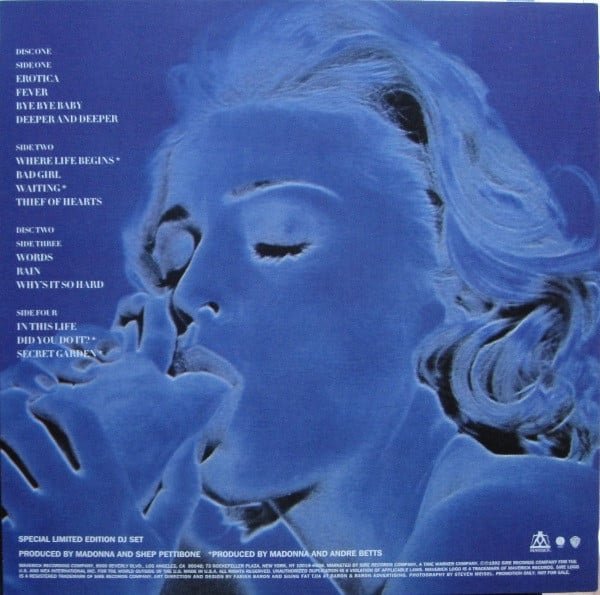
The album dealt with taboo topics like cunnilingus (in “Where Life Begins”), sexual domination, and grief (as in “In This Life”). All of this came wrapped in club-ready production. It was Madonna’s first true narrative project since her debut and marked a new standard in what pop albums could express.
What Role Did Shep Pettibone and André Betts Play in Erotica?
Producers Shep Pettibone and André Betts crafted Erotica’s distinctive sound. Pettibone, known for “Vogue” and “Justify My Love”, brought a sleek, mechanical edge to the production. Betts added hip-hop and new jack swing elements, especially on tracks like “Secret Garden.”
Together, Shep Pettibone and André Betts helped shape a gritty, club-ready album that fused genres like disco, R&B, and electronic. It was unlike anything else in Madonna’s catalog and marked a key evolution from her work on The Immaculate Collection and “Rescue Me.”
How Was Erotica Received, and How Is It Ranked Now?
When first released, Erotica was misunderstood. Critics focused on the accompanying Sex Book and ignored its musical substance. Although the album charted on the Billboard 200 and spawned several top 20 of the Hot 100 hits, the reaction was lukewarm.
Today, it’s seen as an iconic album, often featured in retrospectives ranked from worst to best in Madonna’s discography, only to rise steadily over time. The reassessment celebrates it as a brave, complex, and deeply influential record in a time of censorship and conservatism.
Why Erotica’s Legacy Lives On Through Vinyl, CDs, and Discogs
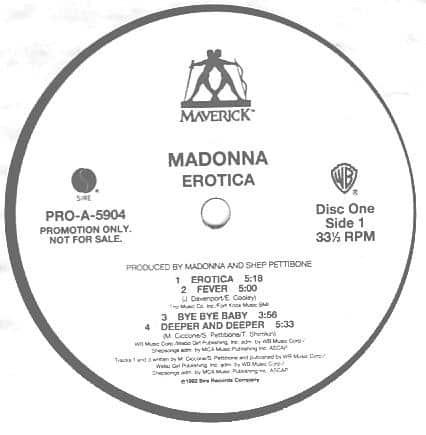
Collectors today celebrate Erotica as a vinyl and CD gem, especially on Discogs, where original pressings with the Parental Advisory label remain in demand. The album holds value not just in sound, but in presentation—from its provocative cover to the era-defining booklet design.
As Erotica turns 33, interest surges, and fans revisit it not just for nostalgia but to appreciate the boundary-breaking artistry. It stands tall alongside works by artists influenced by Madonna—from Janet Jackson to Beyoncé—who’ve embraced sexual empowerment and vulnerability in their music.
What to Remember About Madonna’s Erotica Album
- Erotica was Madonna’s fifth studio album, released on October 20, 1992
- The album combined club beats with emotional depth and bold storytelling
- Songs like “Deeper and Deeper”, “Bad Girl”, and “Secret Garden” show her range from seductive to vulnerable
- Shep Pettibone and André Betts crafted a genre-blending sound that pushed pop boundaries
- Initially misunderstood, Erotica is now seen as an important album that helped define Madonna’s legacy
- With renewed interest on platforms like Discogs, the album’s legacy continues to grow
FAQ – Madonna Erotica Album
1. Why was the Madonna Erotica album so controversial?
The album’s explicit lyrics, themes of BDSM, and sexual empowerment—especially combined with her Sex book—made it one of Madonna’s most polarizing releases.
2. What are the best songs on Erotica?
Fans and critics highlight “Deeper and Deeper,” “Bad Girl,” and “Secret Garden” as some of the most iconic and emotionally resonant tracks.
3. Who produced Madonna’s Erotica album?
Erotica was produced by Shep Pettibone and André Betts, blending electronic, disco, and hip-hop sounds in a unique concept-driven structure.
4. Is Erotica considered one of Madonna’s best albums?
Though once criticized, Erotica is now often featured in “ranked from worst to best” lists and appreciated as a concept album ahead of its time.5. Where can I buy or collect Erotica today?
You can find physical formats like vinyl and CDs on Discogs or other collector platforms, often with the original Parental Advisory logo.