
Blog
How to Store Vinyl Records: Proven Steps

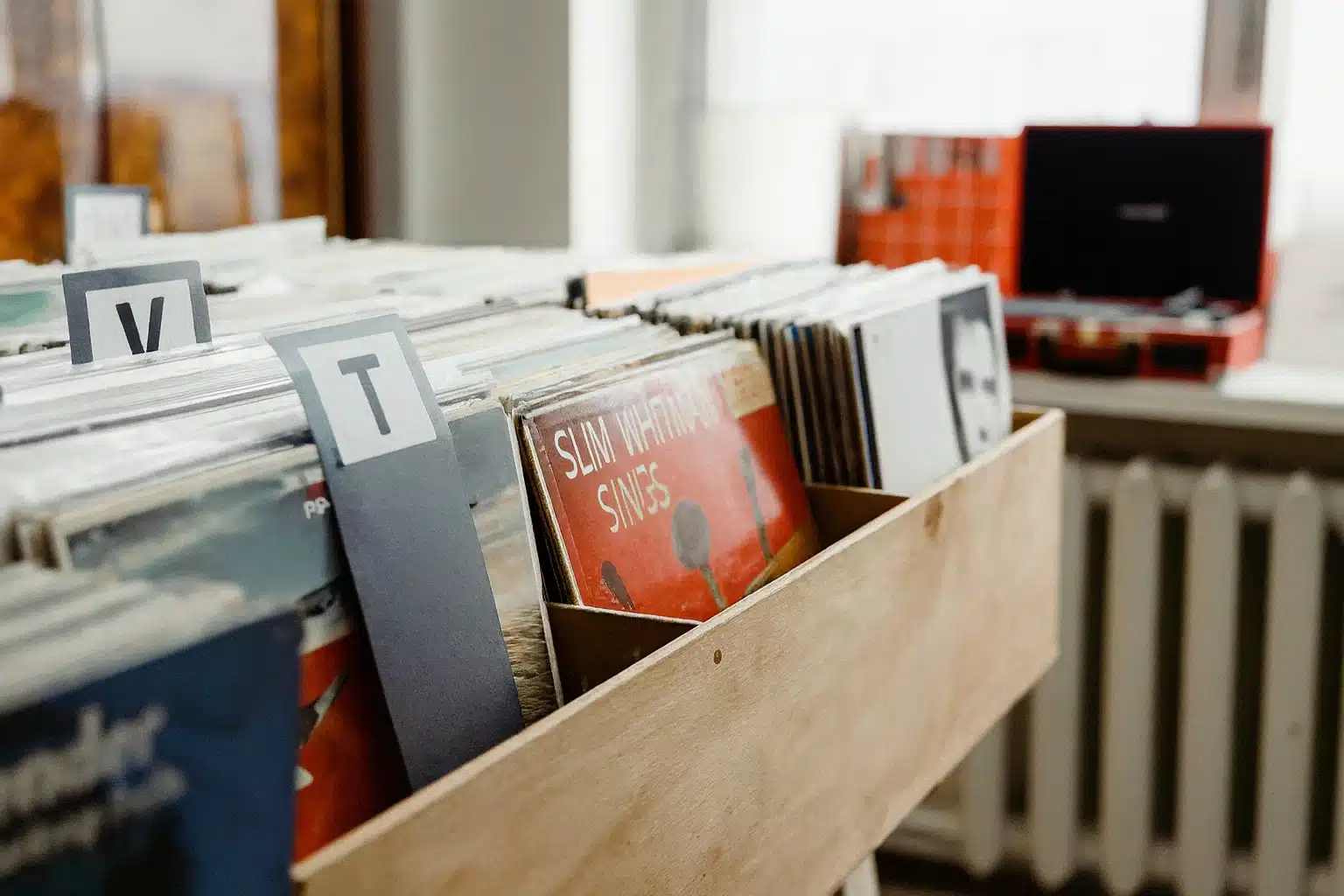
Knowing how to store vinyl records properly is the most critical step in ensuring your collection survives the test of time. While vinyl is resilient enough to last for decades, it remains physically fragile when exposed to improper environments. Unlike digital files stored in the cloud, a record is a tangible object subject to the laws of physics.
The goal for any collector is preservation. To ensure the album you purchase today sounds just as dynamic twenty years from now, you need a deliberate strategy. By following core rules regarding position, pressure, and climate, you can dramatically reduce the risk of damage.
This guide outlines exactly how to store vinyl records to keep them flat, clean, and sounding their best.
Why Records Warp: Heat and Pressure Physics
To protect your collection, it is helpful to understand the material itself. Vinyl records are manufactured from polyvinyl chloride (PVC). While this plastic is durable enough to withstand the friction of a stylus, it becomes chemically unstable under stress.
PVC softens when heated. It does not require melting-point temperatures to suffer damage; even moderate heat can make the plastic pliable. When this softening combines with pressure—such as the weight of other records leaning against it—the disc slowly deforms. This deformation, known as warping, typically manifests in two ways:
- Edge Warps: The outer edge rises and falls, often causing the needle to jump.
- Dish Warps: The entire record bows into a bowl shape.
Both types of warping lead to pitch instability and permanent groove distortion.
Optimizing the Environment to Store Vinyl Records
The first step to safely store vinyl records is selecting the appropriate room. Attics, basements, and garages are often the most dangerous locations due to climate fluctuations.
Temperature Stability and Climate Control
Most preservation guides recommend maintaining a cool room kept roughly at normal indoor “room temperature,” ideally between 65°F and 70°F.
- Avoid Micro-Climates: Even in a cool room, avoid placing shelves near radiators, heating vents, or windows receiving direct sunlight.
- The “Hot Car” Rule: Never leave a record in a hot car. Temperatures can exceed safe levels in minutes, ruining a flat disc.
Humidity Control for Record Storage
Humidity poses a significant threat to album covers. Excess moisture promotes mold growth, which can deteriorate the paper jacket and eventually migrate to the vinyl surface.
- The Target: Aim for stable conditions with moderate humidity, ideally around 40–50%.
- The Risk: Air that is too dry causes static electricity buildup, attracting dust. Air that is too damp increases mold risks. A simple hygrometer can help monitor these levels.
Vertical Shelving and Spacing
There is one golden rule in vinyl preservation: gravity is destructive if you stack horizontally. Records should always be stored vertically, similar to books on a library shelf. Stacking records flat creates immense pressure on the albums at the bottom, leading to ring wear and disc warping.
Choosing the Right Vertical Shelving
When selecting furniture to store vinyl records, choose a sturdy option. Vinyl is heavy, with a full 12-inch cube of records weighing approximately 35 pounds.
- Structure: Use level shelves sized for LPs. The IKEA Kallax series is a favorite among collectors because its dividers provide necessary structural support.
- Support: If a shelf is not full, use heavy bookends. If records lean at a sharp angle (roughly more than 20 degrees), the records at the end of the row bear too much weight. They must stand straight.
Managing Pressure and Spacing
A common mistake for new collectors is overpacking shelves. To store vinyl records safely, pack them so they gently support one another. They should touch to keep each other upright but must be easy to slide out by hand.
- Too Tight: Struggling to pull a record out indicates the shelf is overpacked. This lateral pressure can fuse plastic sleeves to album covers.
- Too Loose: Underfilled shelves cause records to slump. This slant allows gravity to pull the vinyl downward, distorting the shape.
Protective Sleeves and Handling
While the shelf protects the record from the external environment, the sleeves protect the record from surface damage.
Inner and Outer Sleeves
The generic paper sleeve included with most records often sheds paper dust and creates static. Upgrade to anti-static, acid-free inner sleeves, often lined with polyethylene or rice paper, to reduce static and abrasion. Additionally, use protective outer sleeves (usually 3mil polyethylene) to prevent “shelf wear” on the jacket art.
Hygiene and Cleaning
Always store records fully sleeved. Furthermore, clean your records before long-term storage. If you store vinyl records that are dirty, dust and debris can press into the grooves over time, permanently affecting sound quality.
Moving and Long-Term Archiving
Packing a collection for a move or long-term storage is a high-risk time for warping.
- Moving Boxes: Avoid standard cardboard boxes. Use small moving boxes (often 12x12x16 inches) designed specifically for books or records to avoid bottoming out.
- Packing Strategy: Pack records vertically. If the box is not full, use stiff cardboard fillers or bubble wrap to prevent shifting.
- Climate Control: If using a storage unit, it must be climate-controlled to avoid temperature swings that can ruin a collection.
Summary of Best Practices
| Aspect | Best Practice | Mistakes to Avoid |
| Position | Store vertically, fully upright. | Stacking flat piles or leaning heavily. |
| Environment | Cool, dry room (65-70°F, 40-50% humidity). | Hot cars, attics, direct sun, or damp basements. |
| Spacing | Snug but not tight. | Overpacking (compression) or leaving slack (slumping). |
| Protection | Anti-static inner sleeves and poly outer sleeves. | Storing bare records or using damaged sleeves. |
By respecting the chemistry of the plastic and the physics of the environment, you ensure your collection remains pristine. Remember to keep them upright, clean, calm, and comfortable. Following these steps to store vinyl records ensures your music will sound as true tomorrow as it did the day it was pressed.