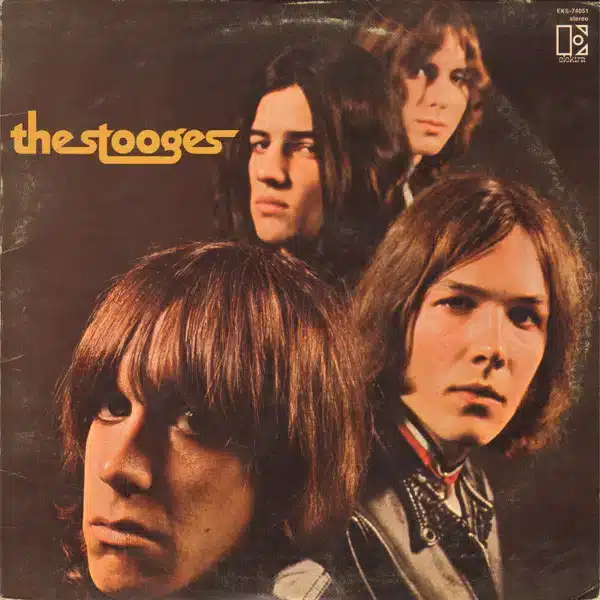
The Stooges debut album arrived in 1969 as a primal force that defied the era’s psychedelic and folk trends. Recorded in New York City and shaped by producer John Cale of The Velvet Underground, the record introduced a raw, chaotic energy that would later be recognized as a foundation of punk rock. Emerging from the gritty Detroit music scene, the band tapped into youthful frustration, alienation, and a sense of rebellion that was both shocking and groundbreaking.
The Stooges were formed in Ann Arbor, Michigan, by Iggy Pop (James Osterberg), guitarist Ron Asheton, drummer Scott Asheton, and bassist Dave Alexander. Pop’s vision drew from a mix of pharaoh-inspired imagery, juvenile defiance, and a desire to break free from conventional rock performance. His shirtless, theatrical stage presence quickly became part of the band’s identity.
Encouraged by Elektra Records executive Danny Fields—who signed the band after seeing MC5—The Stooges became known for their experimental live sets, often combining short songs with sprawling improvisations.
When it came time to record, The Stooges had limited material and were pressured to create new songs quickly. That urgency became an asset, giving the album its raw immediacy. John Cale’s production embraced the rough edges, highlighting Ron Asheton’s fuzz-heavy riffs, the pounding rhythm section of Scott and Dave, and Iggy Pop’s snarling vocals.
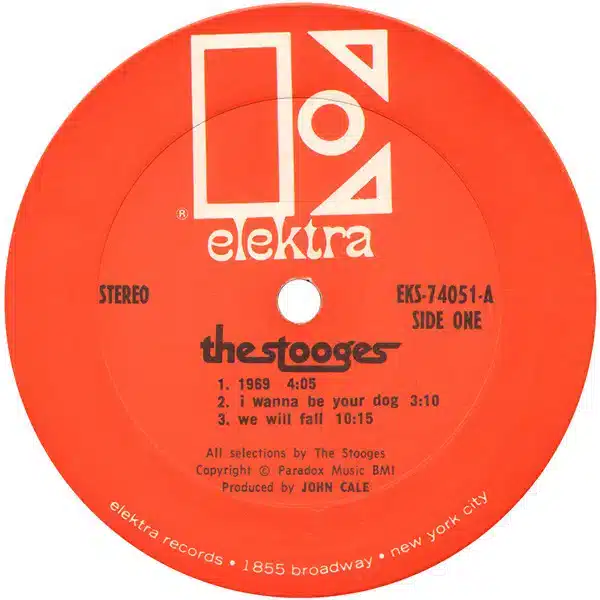
Tracks like “1969,” “I Wanna Be Your Dog,” and “No Fun” reflected teenage boredom, angst, and nihilism, themes that would become central to punk a decade later. The sound was minimalist yet powerful—stripped down to essentials and unflinchingly direct.
Released on August 5, 1969, The Stooges peaked at No. 106 on the Billboard charts and initially puzzled critics, many of whom dismissed it as amateurish. Yet the album’s influence far outpaced its commercial success.
By the mid-1970s, bands like the Ramones and Sex Pistols cited The Stooges as a blueprint for their own raw, aggressive sound. Its spirit carried into alternative and grunge movements decades later, shaping generations of musicians who valued authenticity and energy over polish.
Today, The Stooges’ debut album is celebrated as a landmark in rock history. It captured a cultural shift away from the polished optimism of the late ’60s toward a darker, more confrontational energy. With its primal riffs, defiant lyrics, and Iggy Pop’s boundary-breaking performances, the record helped set the stage for punk’s arrival in the 1970s and remains a touchstone for rebellious rock.