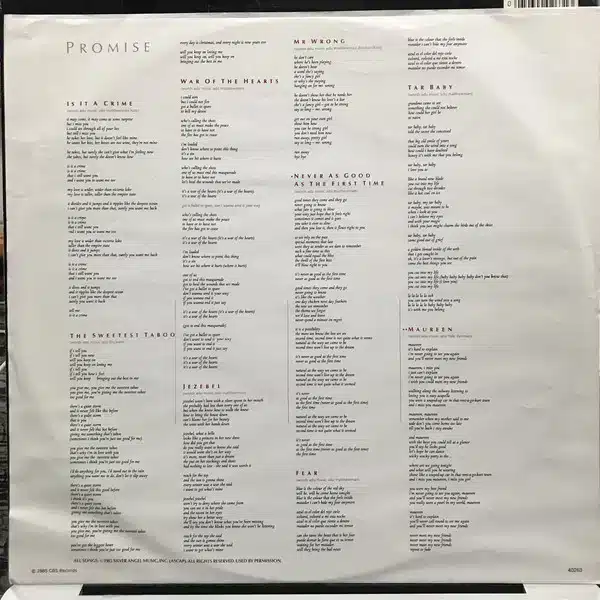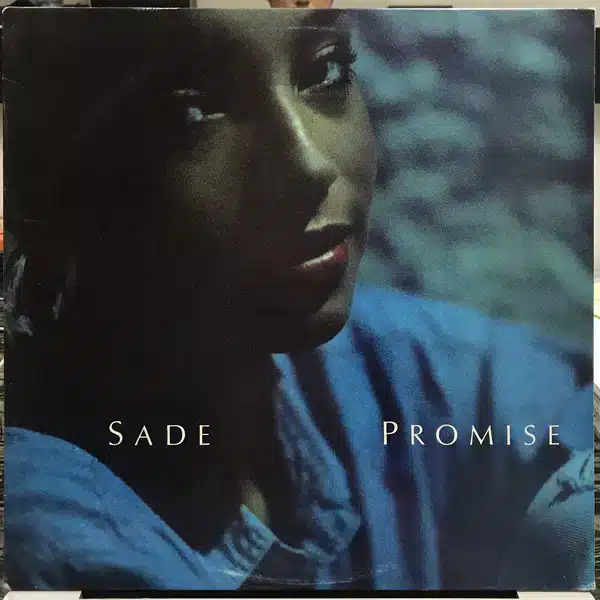
The Sade Promise album, released in 1985, solidified the band’s reputation as masters of sophisticated, soulful sound. Following their debut Diamond Life, the record expanded on their signature blend of smooth jazz, R&B, and pop—earning both critical acclaim and major commercial success.
Released on November 4, 1985, in the UK and November 15, 1985, in the US, Promise soared to the number one spot on album charts in both countries. It went on to achieve quadruple-platinum certification in the United States, confirming its widespread appeal.
The album is remembered for singles that have become radio staples.
One reason the Sade Promise album stands apart is its innovative production. The band continued to record live instrumentals for authenticity but embraced emerging 1980s technology:
The title carries emotional significance. It was inspired by a letter from Sade Adu’s father, who was battling cancer at the time, in which he wrote about the “promise of hope.” This sense of reflection and strength is woven into the album’s tone.
Sade’s lyricism matured on Promise, offering empathetic storytelling:
While Adu and Stuart Matthewman led songwriting on Diamond Life, Promise saw greater input from Paul S. Denman (bass) and Andrew Hale (keyboards). The result was a more holistic sound that reflected the strength of all four core members.
Critically praised upon release and celebrated even more in retrospect, the Sade Promise album is viewed as timeless. It not only reinforced the band’s identity but also influenced the rise of the neo-soul genre. Decades later, it remains a landmark in 1980s music history.