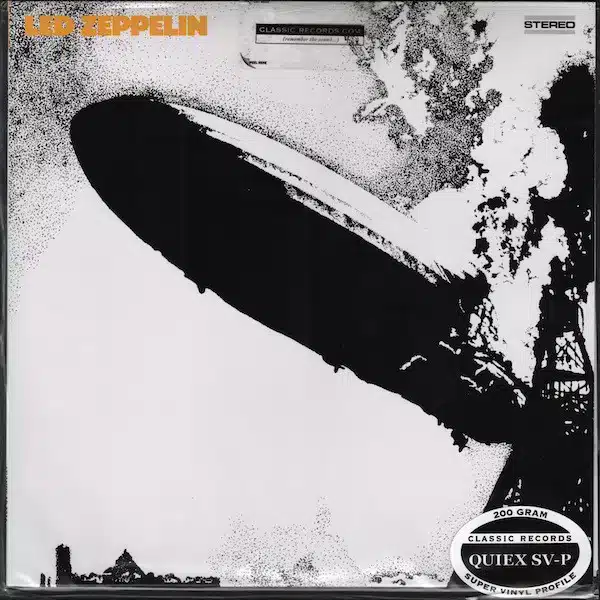
First pressing vinyl has a special appeal for audiophiles and collectors. When the needle drops on an original issue, you’re holding a physical link to the session, mastering, artwork, and moment the music first entered the world—about getting “as close as possible to the master recording as humanly possible.” Like first-edition books or vintage instruments, a first press is a time capsule of the artist’s initial vision.
In simple terms, it’s the initial commercial batch—vinyl, jacket, inner sleeve, and any inserts — exactly as they were first sold. In practice, it’s messier: big titles were pressed at multiple plants on day one, so there may be several legitimate first-day variants (different rings, type settings, or plant codes). That’s why identifying first presses is a forensic, multi-clue exercise rather than a single label note.
Sonic edge. Records are pressed from metal stampers that wear microscopically with each copy. Early copies from low-number stampers (e.g., “-1S”) tend to be the most faithful transfers of the lacquer. Originals were also cut when master tapes were fresher, before the onset of age-related loss.
Historical artifact. First issues preserve the original art, labels, and inserts—sometimes including later-changed mixes, misprints, recalls, or controversial sleeves. That completeness turns a record into a document of the album’s story.
Scarcity. Initial runs are finite. Over the decades, copies are lost or worn. If a sleeper debut later explodes, demand outstrips supply—values climb.
Dead-wax/runout (matrix) codes.
Look for low lacquer/stamper numbers (e.g., A1/B1, A//1), mastering initials (e.g., “RL”), plant marks, and occasional etched messages.
Center labels.
Label designs change by era; matching the correct “design era” to the release year is critical. Subtle perimeter text or publisher credits can separate day-one from later runs.
Jackets & inserts.
Barcodes generally signal 1980s-and-later reissues. First-run sleeve construction, corner cuts, printer credits, hype stickers, and included posters/lyric sheets often differ from later pressings.
Pro tip: Treat it as multi-factor authentication—matrix + correct label + correct sleeve/inserts.
| Variant | Purpose | Key Identifiers | Why Collect |
|---|---|---|---|
| First pressing | Initial retail run | Low matrix, period-correct labels/sleeves, no barcode (pre-’80s) | Closest to master, original package |
| Test pressing | QC approval | Plain labels/sleeves, handwritten notes | Earliest copies, ultra-rare |
| Promo copy | Pre-release buzz | Promo text/labels, saw cuts/notches | Limited distribution, early stampers |
| Colored/picture | Special editions | Non-black PVC, hype sticker | Aesthetic + limited runs |
| International | Foreign markets | Country credits, Obi (JP), alt art | Different mastering/packaging |
Grading matters most. Use the Goldmine scale (NM/VG+/VG/…) and always assess both vinyl and sleeve. A clean VG+ second press usually beats a noisy “G” first press.
Where to buy. Combine online databases/marketplaces with local crate-digging: indie shops, thrifts, flea markets, garage sales—knowledge + luck = wins.