Dead Moon’s Dead Ahead isn’t just an album—it’s a declaration. Released on January 1, 2004, this studio album marked the final full-length release by one of the world’s greatest rock bands. For longtime fans and curious newcomers alike, Dead Moon – Dead Ahead is a deep dive into raw, unfiltered emotion. This post will help you explore the album, understand its place in rock history, and appreciate why it continues to resonate with vinyl. Dead Moon Dead Ahead isn’t just an album—it’s a declaration. Released on January 1, 2004, this final studio LP from one of garage rock’s most important bands cemented their underground legacy. For longtime fans and curious newcomers alike, Dead Moon Dead Ahead is a raw, unfiltered experience that still resonates deeply. In this article, we’ll explore why this record matters—musically, culturally, and historically—and why it continues to dominate wantlists for vinyl collectors and lo-fi rock enthusiasts alike.
The release of Dead Moon Dead Ahead came at a pivotal moment. It served as Dead Moon’s swan song, the last studio album from a band that had spent decades shaping the underground rock scene. Arriving in 2004, as vinyl quietly began its comeback, this record was more than a farewell—it was a defiant statement of independence, grit, and staying power. It reminded listeners why Dead Moon mattered and why physical media—especially vinyl LPs—still had a place in the digital age.
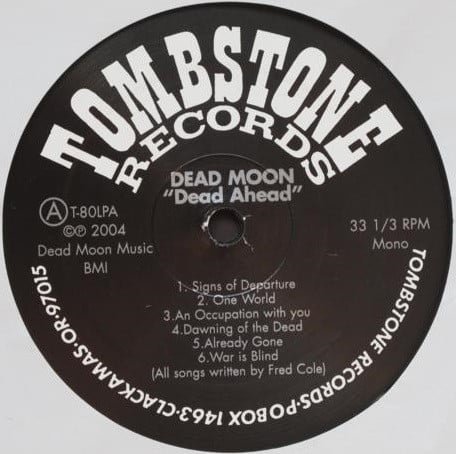
The album was released by Mississippi Records, a Portland-based indie label revered for its archival spirit and no-frills approach to music. Known for championing raw, lo-fi, and punk-influenced recordings, Mississippi Records was the perfect home for Dead Moon Dead Ahead. The label’s philosophy aligned with Dead Moon’s DIY ethos—press your records, book your shows, and never compromise your sound.
Dead Moon Dead Ahead was issued in both CD and vinyl LP formats, with the vinyl version now considered highly collectible. The LP, especially in its original 2004 pressing, is a staple on Discogs wantlists. It was also remastered from the original tapes and reissued, offering vastly improved sound without losing the raw energy that defined the band. For vinyl enthusiasts, this album provides the perfect blend of sonic fidelity and analog warmth.
This is garage rock at its most honest, distorted, urgent, and full of emotion. Dead Moon Dead Ahead blends garage rock with shades of punk and hard rock, creating a timeless sound that feels both immediate and gritty. The production is stripped-down but intentional, placing you sonically just inches away from the band as they tear through their final statements.
No discussion of Dead Moon Dead Ahead is complete without acknowledging Fred Cole, the band’s iconic frontman. His voice—hoarse, haunted, and resolute—anchors every track. More than a singer, Fred was a storyteller and spiritual guide, pushing the band into deeper emotional territory. His lived-in delivery lends weight to each lyric and context to every riff. This is Fred Cole’s vision laid bare.
Thanks to a meticulous remastering from the original analog tapes, this LP offers enhanced dynamics without sacrificing its grit. You’ll still hear the noise and distortion—it’s part of Dead Moon’s DNA—but with improved clarity. The result is a sharper, more impactful listening experience that allows hooks, riffs, and vocals to cut through the sonic fog. The record feels alive, like a ghost trapped in a basement amp.

The entire album is packed with memorable moments. Songs like:
Each track feels essential, showcasing Dead Moon’s ability to combine protest and poetry with fuzzed-out fury.
Although Dead Moon rarely courted the mainstream, Dead Moon Dead Ahead earned acclaim in underground and indie circles. Critics praised its refusal to conform, its emotional intensity, and its role as a fitting conclusion to the band’s storied discography. Some called it the ultimate “swan song”—proof that even in their final bow, Dead Moon remained uncompromising.
Vinyl collectors value Dead Moon Dead Ahead for its raw authenticity, historical importance, and analog charm. First pressings are scarce and prized, while the remastered reissues still generate buzz. In an era where digital downloads dominated, this album stood firm as a reminder of the tactile, immersive joy of dropping a needle on a record.
As Dead Moon’s final studio album, this record does more than end a chapter—it defines the whole story. It encapsulates the band’s dedication to staying independent, emotional, and loud. For newer fans, Dead Moon Dead Ahead acts as a gateway to a discography filled with treasures. For longtime listeners, it’s a powerful final goodbye.
1. Is Dead Moon Dead Ahead the band’s last album?
Yes. It’s their final studio album, released in 2004.
2. Where can I purchase Dead Moon’s ‘Dead Ahead’ on vinyl?
You can find original and remastered pressings on platforms like Discogs, though first pressings are rare and in high demand.
3. Was the album remastered from the original tapes?
Yes. The remaster offers improved dynamics and clarity without losing the gritty essence of the original.
4. What genre is Dead Moon Dead Ahead?
Garage rock with elements of punk and hard rock—raw, loud, and emotionally resonant.
5. Why is Fred Cole important to Dead Moon’s sound?
Fred Cole was the creative force and emotional core of Dead Moon. His voice and vision defined the band’s music and message.