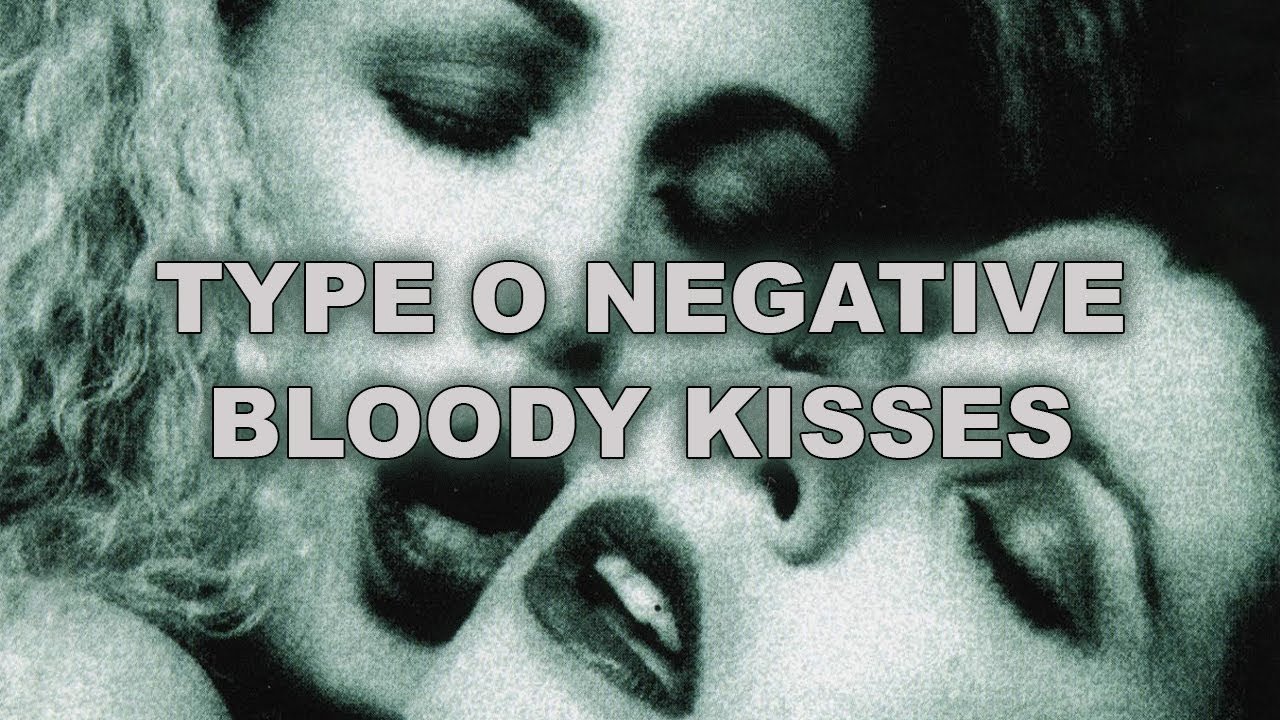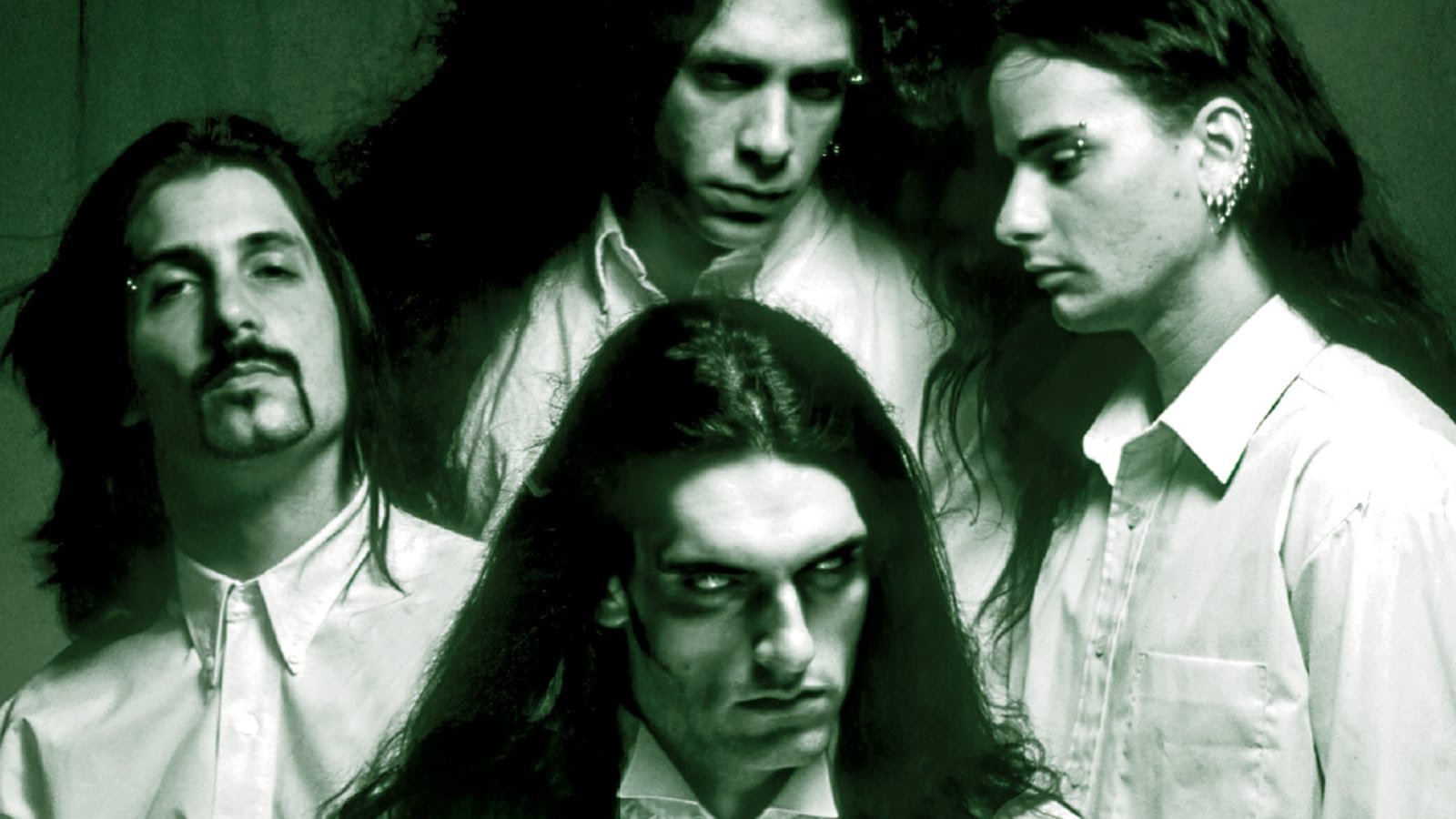
The making of Bloody Kisses, Type O Negative’s third album, released on August 17, 1993, marked a landmark moment, born from a staunchly DIY ethos and meticulous studio craftsmanship. Emerging from the gritty underground of Brooklyn, the band defied expectations by blending doom metal, pop sensibility, and sardonic wit into a sound entirely their own. The album not only became their commercial breakthrough but also a definitive statement that would solidify the gothic metal genre.
Unlike many bands on the cusp of a breakthrough, Type O Negative refused to hire an external producer. The album was self-produced by frontman Peter Steele and keyboardist Josh Silver, who felt they were the only ones who could genuinely bring their vision to life. Working alongside engineer Mike Marciano at their familiar haunt, Systems Two in Brooklyn, the band approached the recording with a hands-on, traditional methodology.
The process began with a surprisingly raw foundation. The core band—Steele, Silver, guitarist Kenny Hickey, and drummer Sal Abruscato—recorded most of the basic tracks live in the studio over several days. Playing together as a unit with sound barriers to isolate the instruments, they captured an energetic, powerful performance onto 2-inch tape, the common recording medium of the time. This live foundation provided a stark contrast to the lush, atmospheric final product that would be built upon it.
Once the raw foundations were captured, the meticulous process of overdubbing began. The album’s distinctive sound was shaped by the band’s innovative use of effects and layering. A key component was a technique Josh Silver dubbed “fur,” which involved using an old Yamaha chorus unit to double and triple tracks. This created an immense, shimmering, and textured sound that gave the guitars and vocals their ethereal and almost liquid quality.
Another crucial element in crafting the album’s cavernous, gothic atmosphere was the heavy use of long-hold reverbs, particularly on the snare and bass drum. This technique made the drums sound vast and distant, contributing to the record’s expansive sonic landscape. Tying the entire 73-minute album together was a series of sample-heavy, atmospheric interludes, which created a seamless, cinematic flow from one track to the next.
The lyrical content of Bloody Kisses was as multifaceted as its sound. Peter Steele’s lyrics delved into themes of love, sex, religion, and death, all filtered through a lens of dark humor and biting satire. The album’s two iconic singles, “Christian Woman” and “Black No. 1 (Little Miss Scare-All),” perfectly captured this approach. “Christian Woman” explored themes of religious ecstasy and sexual fantasy, while “Black No. 1” served as a sarcastic ode to gothic vanity and clichés.
The album also featured confrontational tracks like “Kill All the White People” and “We Hate Everyone,” which were scathing, satirical responses to accusations of racism leveled against Steele’s previous band, Carnivore. The band even included a unique cover of Seals & Crofts’ “Summer Breeze,” though they were famously forced to re-record the vocals with the original lyrics after the original songwriters rejected their altered, more risqué version.
Bloody Kisses was the final album to feature the band’s original lineup, as drummer Sal Abruscato departed to join Life of Agony shortly after its completion. Upon release, the album was a slow-burning success. Fueled by heavy rotation on rock radio and MTV, the music videos for “Christian Woman” and “Black No. 1” introduced Type O Negative’s unique aesthetic to a global audience.
The album’s unexpected commercial performance made it the first on Roadrunner Records to be certified platinum, a monumental achievement for both the band and the label. More importantly, Bloody Kisses remains a seminal album. Its fusion of doom-laden romance, biting humor, and meticulous, self-produced studio craft created a sound that has been often imitated but never duplicated, cementing its place as a timeless classic in the halls of heavy music.