
Blog
Linkin Park Hybrid Theory: The Raw Emotion and Relentless Drive Behind a Landmark Album

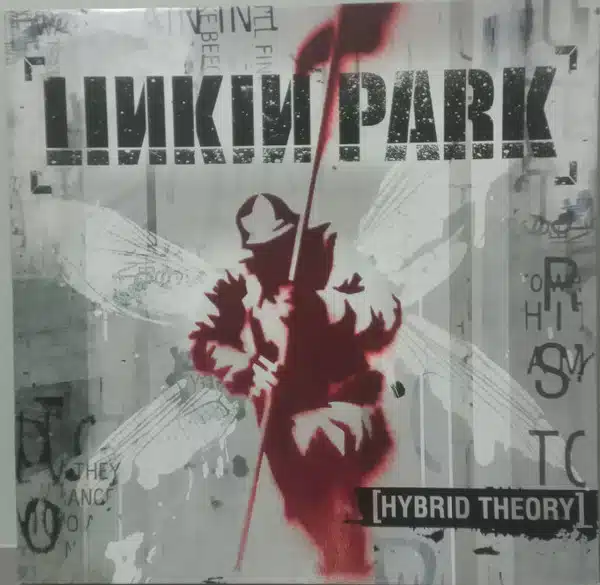
Linkin Park Hybrid Theory stands as one of the most influential rock albums of the 21st century. Released in October 2000, the diamond-certified debut was a raw, electrifying fusion of nu-metal, alternative rock, and hip-hop that resonated with an entire generation. Its creation was marked by persistence, personal struggle, and a refusal to compromise artistic vision.
Early Stages & Demoing
The band’s story began in the mid-1990s with Xero, formed by Mike Shinoda, Brad Delson, and Rob Bourdon. Later joined by DJ Joe Hahn, bassist Dave “Phoenix” Farrell, and vocalist Mark Wakefield, the group developed an experimental sound that proved difficult for record labels to categorize. Despite numerous rejections, they continued to produce demos, often recorded on a four-track machine in Shinoda’s parents’ home.
Finding Chester Bennington & a Label
The turning point came with Wakefield’s departure and the arrival of Chester Bennington in 1999. Introduced by Jeff Blue of Zomba Music, Bennington brought both soaring melodic power and guttural intensity. Legend has it he recorded vocals over demo tracks and played them over the phone to Mike Shinoda—instantly convincing the band he was the missing piece.
With Bennington in place, the band briefly adopted the name Hybrid Theory to reflect their genre-blending style. A self-titled EP followed, but a naming conflict forced another change. They ultimately settled on Linkin Park, a playful adaptation of Santa Monica’s Lincoln Park. That same year, perseverance paid off as Warner Bros. Records offered them a contract.
Recording & Production
Recording sessions for Hybrid Theory began in March 2000 at NRG Recording Studios in North Hollywood with producer Don Gilmore. The process was intense, with the label reportedly pressuring the band to downplay Shinoda’s rapped verses in favor of a more conventional rock sound. However, the band stood firm, ensuring that Shinoda and Bennington’s interplay remained central.
During production, bassist Dave Farrell was unavailable due to touring commitments, so Scott Koziol and Ian Hornbeck played bass on select tracks. The Dust Brothers provided additional beats on “With You.” After recording, Andy Wallace was brought in to mix the album, giving it its polished yet heavy sound.
Themes & Sound
The lyrical heart of Hybrid Theory drew from Chester Bennington’s personal struggles, including his parents’ divorce, abuse, and drug use. Songs like “Crawling” and “Papercut” gave voice to feelings of alienation and pain, resonating with millions of fans. Musically, the album embodied its name: a hybrid of rap, metal, and electronic elements. The artwork, guided by Frank Maddocks, visually reinforced this fusion of styles.
Legacy of Hybrid Theory
From the opener “Papercut” to the iconic “In the End,” Hybrid Theory balanced aggression with vulnerability. Its commercial and cultural impact was enormous, selling more than 32 million copies worldwide and pushing nu-metal into the mainstream. Beyond sales, its enduring legacy lies in its emotional honesty and innovative sound, a testament to Linkin Park’s determination to follow its own path.