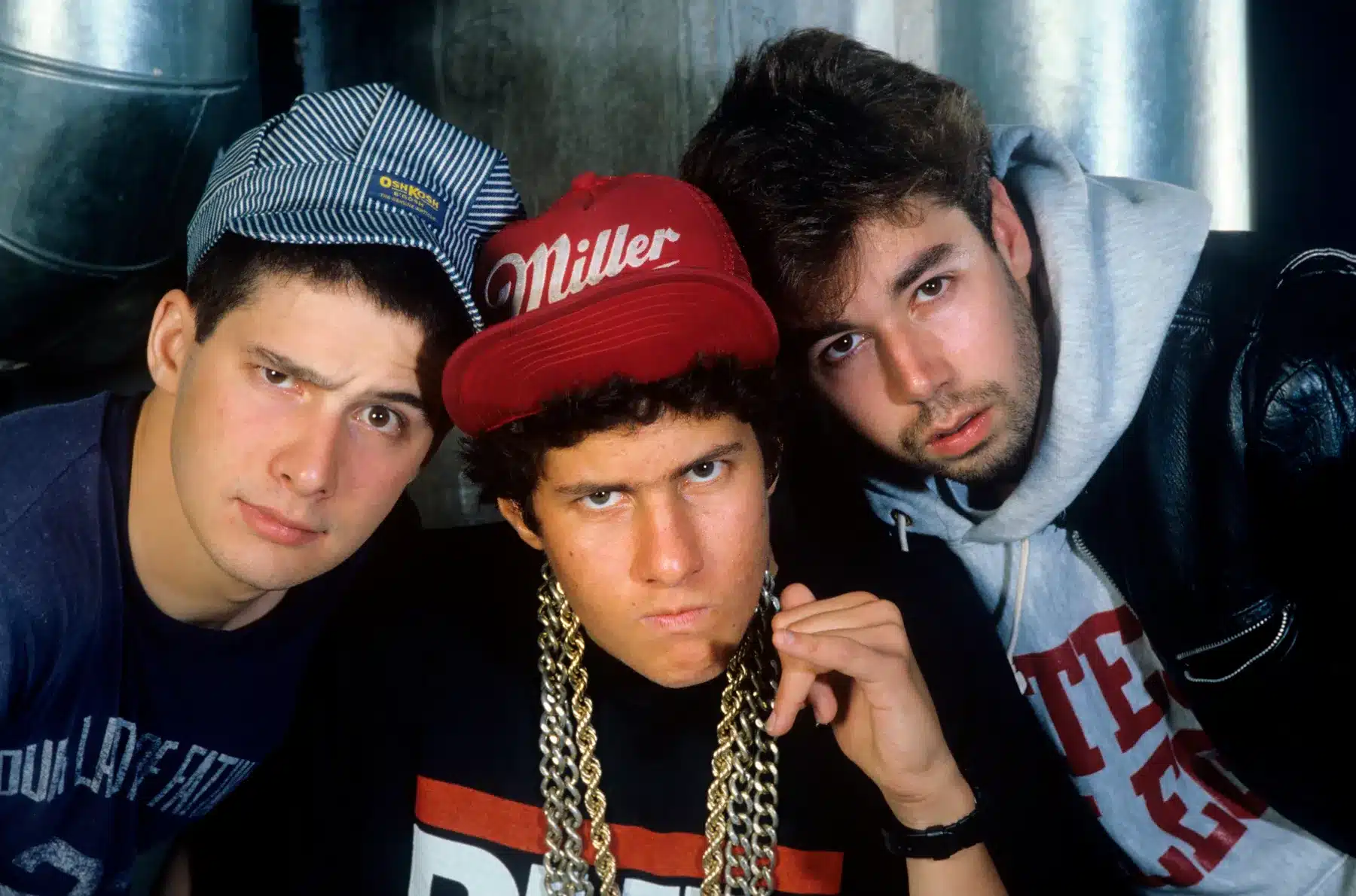
The Beastie Boys stand as one of the most transformative groups in modern music, evolving from hardcore punk kids in New York to hip-hop pioneers who changed the cultural landscape. Across three decades, Michael “Mike D” Diamond, Adam “MCA” Yauch, and Adam “Ad-Rock” Horovitz built a legacy that merged audacity, innovation, and activism.
The Beastie Boys story began in 1981 within New York’s hardcore punk scene. With guitarist John Berry and drummer Kate Schellenbach in the lineup, early releases like the Polly Wog Stew EP were filled with raw, fast-paced energy. The departure of Berry and Schellenbach, coupled with Horovitz’s arrival, shifted the group toward hip-hop. Their 1983 single Cooky Puss mixed humor, prank calls, and beats, catching the attention of young producer Rick Rubin.
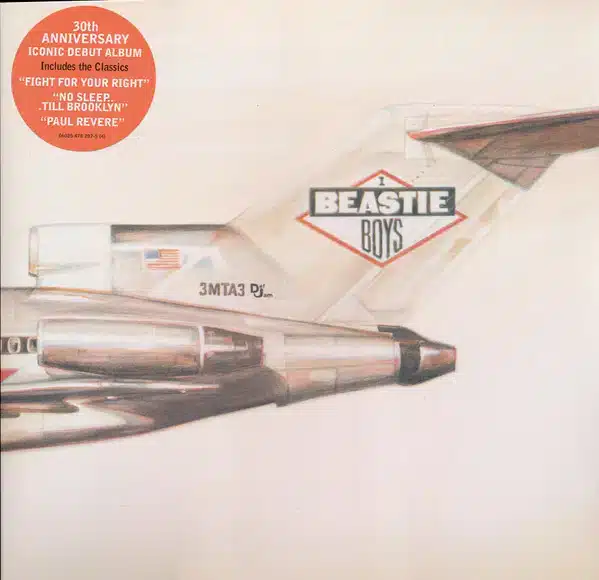
Signed to Def Jam Records under Rubin and Russell Simmons, the Beastie Boys released Licensed to Ill in 1986. The album combined booming 808s with rock riffs, yielding hits like (You Gotta) Fight for Your Right (To Party!). It became the first rap album to top the Billboard 200, selling over 10 million copies in the U.S. However, the frat-boy persona they leaned into drew criticism for sexism and cultural appropriation—an image they later regretted and worked to shed.
After parting ways with Def Jam, the trio relocated to Los Angeles and released Paul’s Boutique in 1989 under Capitol Records. Produced by the Dust Brothers, the album featured dense sampling and more mature lyricism. Though it underperformed commercially at first, it is now celebrated as one of the greatest hip-hop albums ever recorded, praised for its groundbreaking production and cultural influence.
In 1992, the Beastie Boys reinvented themselves with Check Your Head, returning to live instrumentation while blending punk, funk, and jazz influences. This creative momentum continued with Ill Communication in 1994, which featured the hit “Sabotage” and showcased the group’s growth as musicians and activists. Around this time, Yauch, a practicing Buddhist, co-founded the Milarepa Fund and organized the Tibetan Freedom Concerts, cementing the group’s role in global activism.
The Beastie Boys’ later albums—Hello Nasty (1998), To the 5 Boroughs (2004), and Hot Sauce Committee Part Two (2011)—further displayed their versatility. Tragically, Adam Yauch passed away in 2012, leading Diamond and Horovitz to announce the group’s end.
Today, the Beastie Boys are remembered not only as pioneers of hip-hop but also as innovators who bridged genres, challenged norms, and leveraged their platform for cultural impact. Their journey from punk provocateurs to hip-hop legends remains one of the most remarkable evolutions in music history.